Projection Design
Xing Guang Rui Cheng Corp. · Beijing · 2010-2011 Role: Project Manager & Lead Motion Designer
Overview
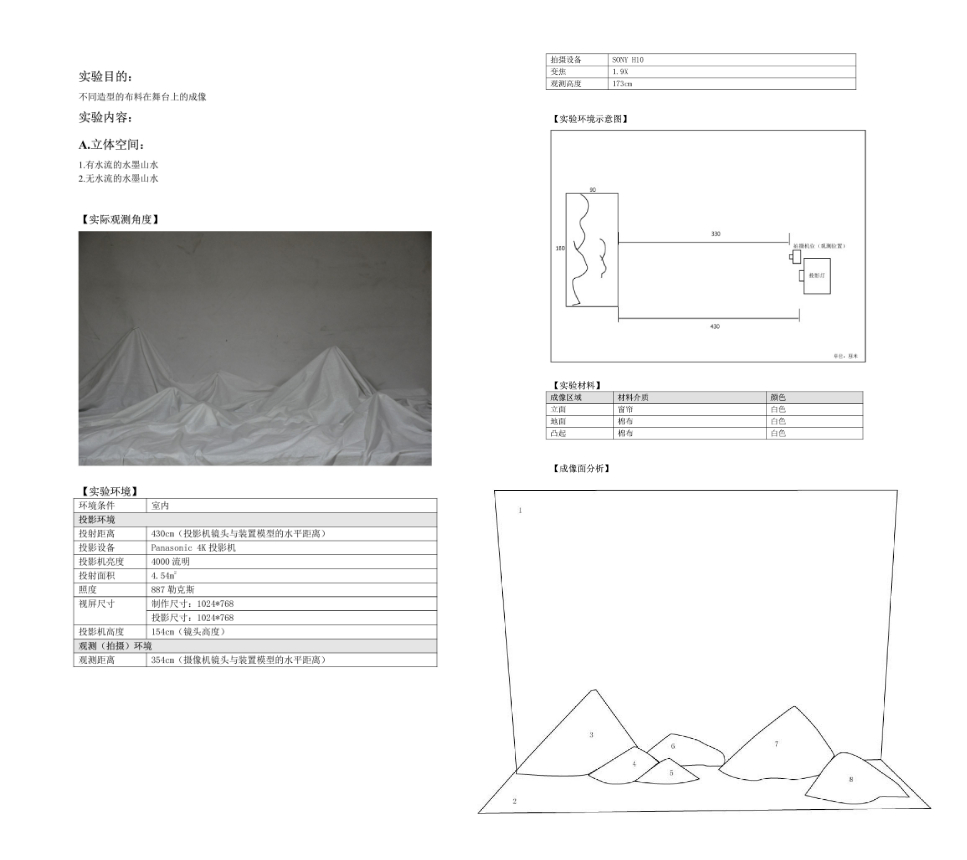
Xing Guang Rui Cheng's core business was renting out stage and projection lighting equipment. I worked in their content production division, where the job was to design and test the visual content that would actually run on that equipment before it went out to a client or an event. This meant I had access to the projectors and hardware, but no dedicated budget or fabrication resource for building test surfaces, so every test surface was built from whatever was on hand: cardboard, wire, draped fabric, a paper car model. What wasn't makeshift was the process. Each test was run and documented like a proper experiment, with projection distance, lux, viewing angle and surface area recorded for every setup, well before any of it reached a real projector or a real surface. The visual polish reads as exactly what it was: a small team improvising with materials on hand. The judgment behind it doesn't.
Process
01 — Vehicle Surface Projection
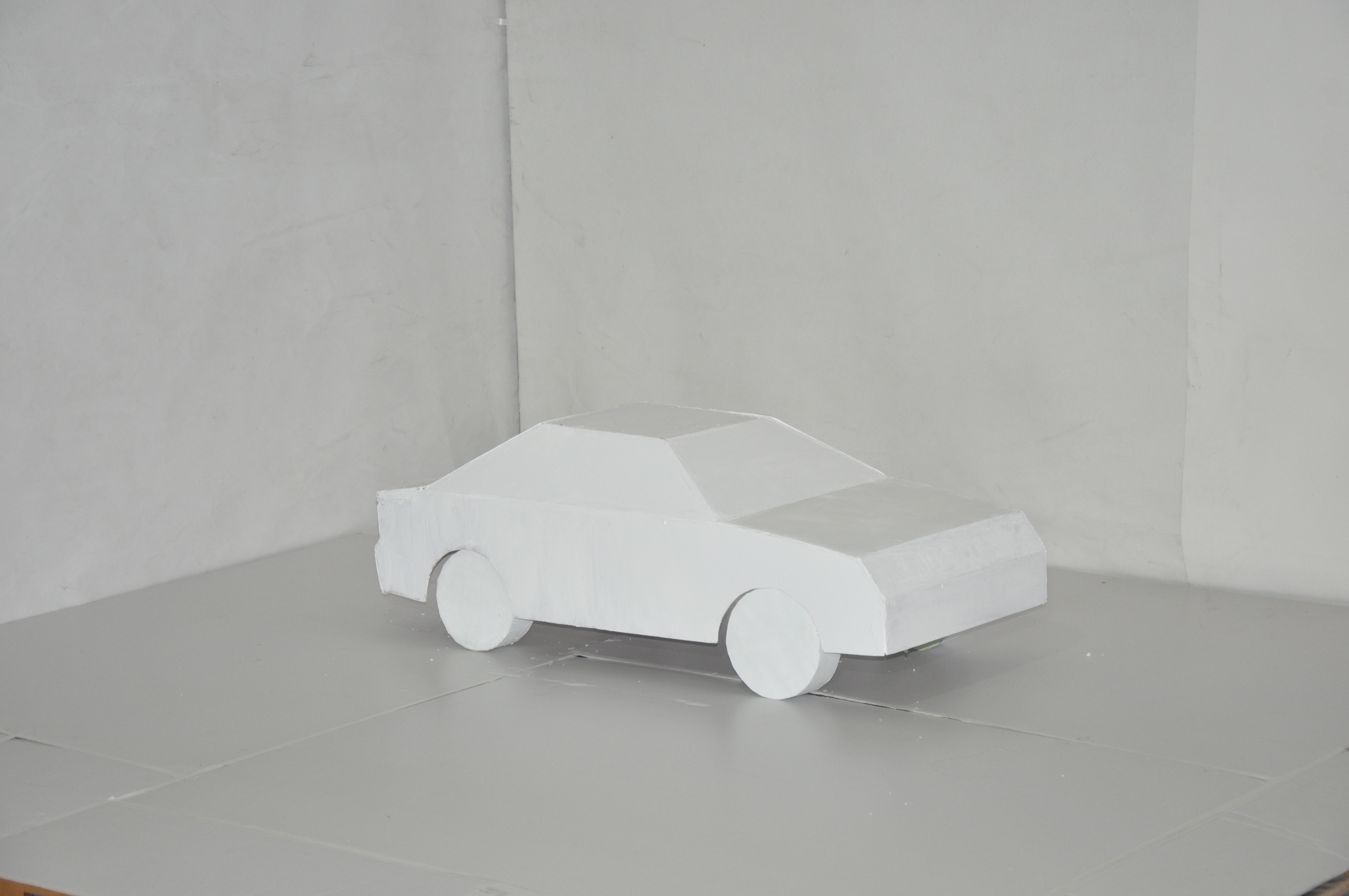
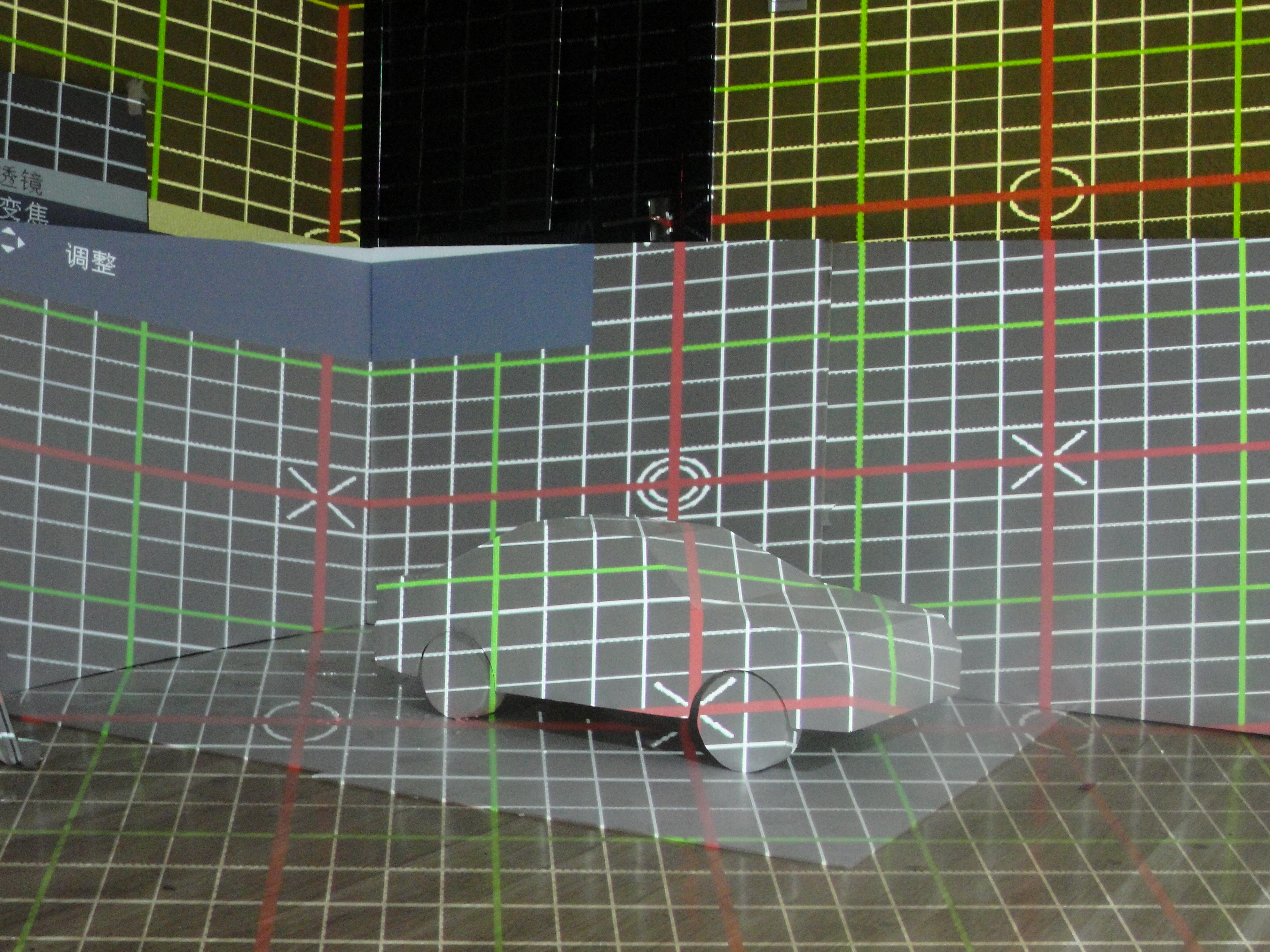
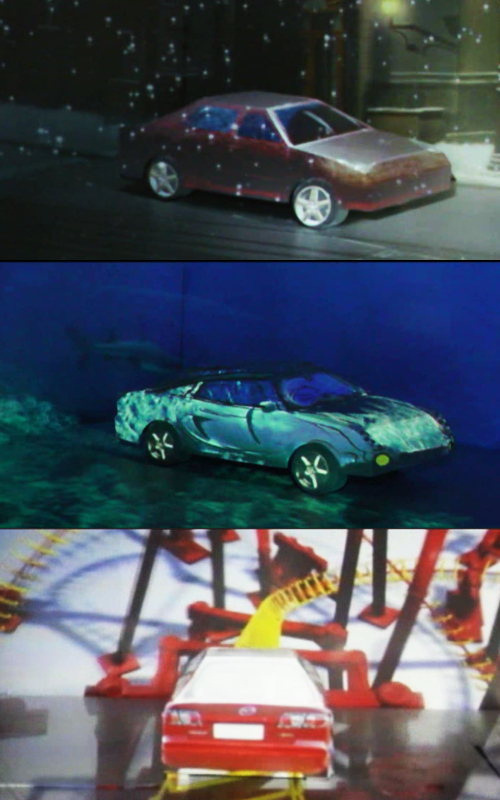
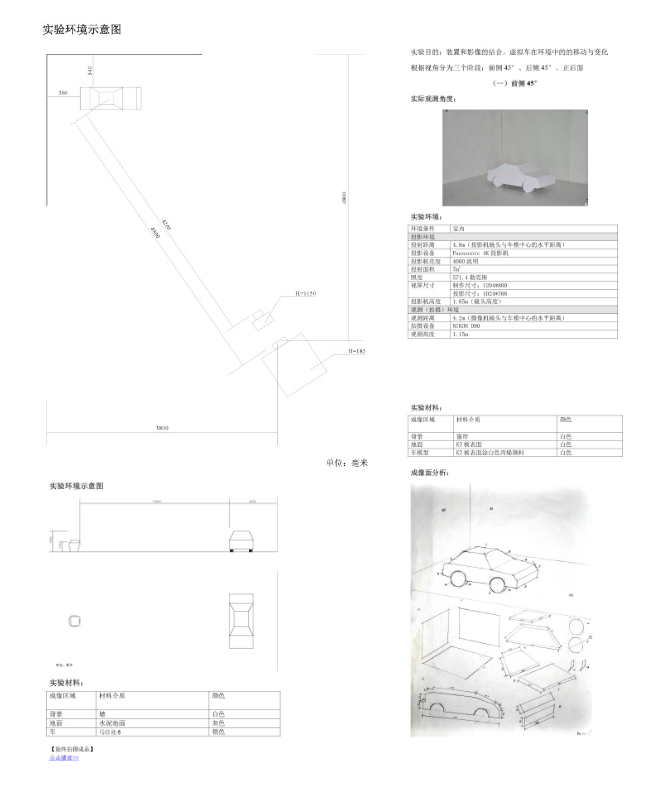
Starting with a scaled paper model of a car, I tested multiple content directions before moving to the real vehicle: a snowfall night scene, an underwater luxury car concept, and a dynamic background simulating a rollercoaster POV. Each concept was tested against the model first to judge how motion and colour read on the car's curved surfaces, then narrowed down before final content was produced for the actual vehicle. The full test was documented as a formal experiment report, covering projection distance, lux, viewing angle and surface measurements for each stage.
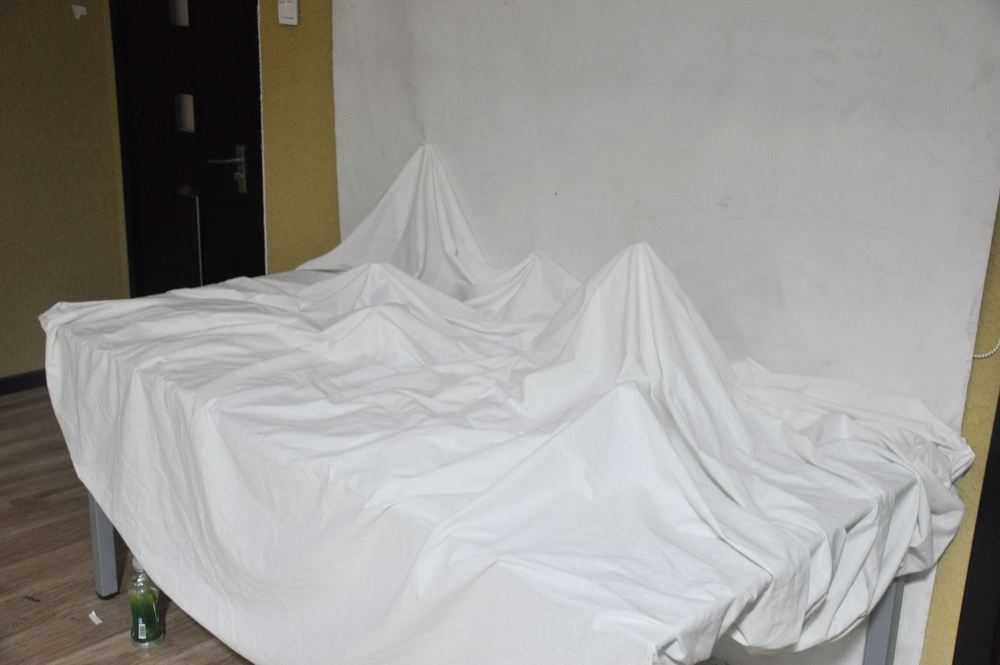
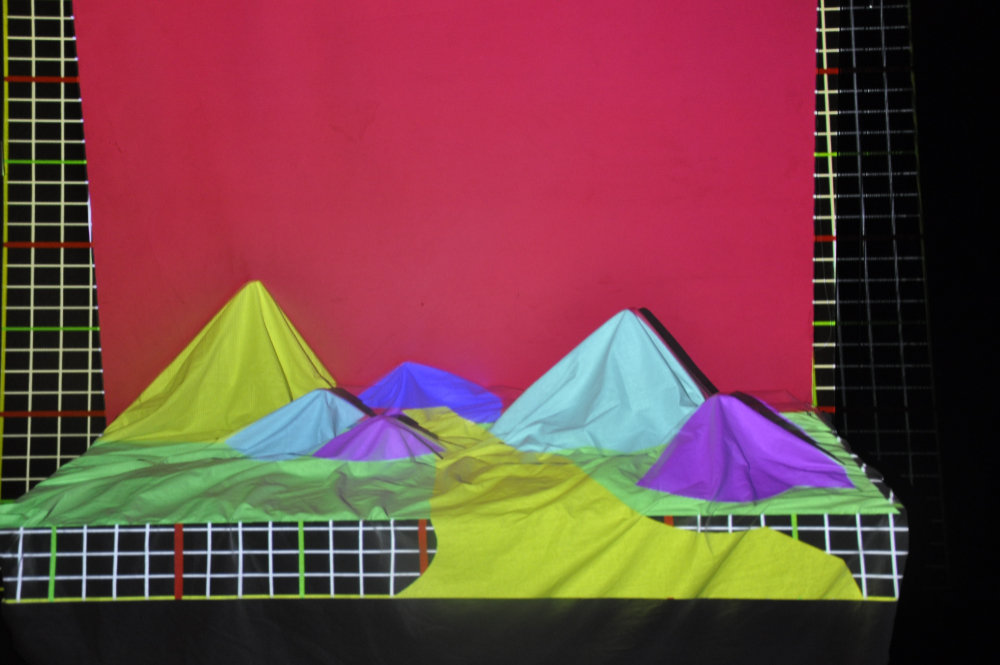
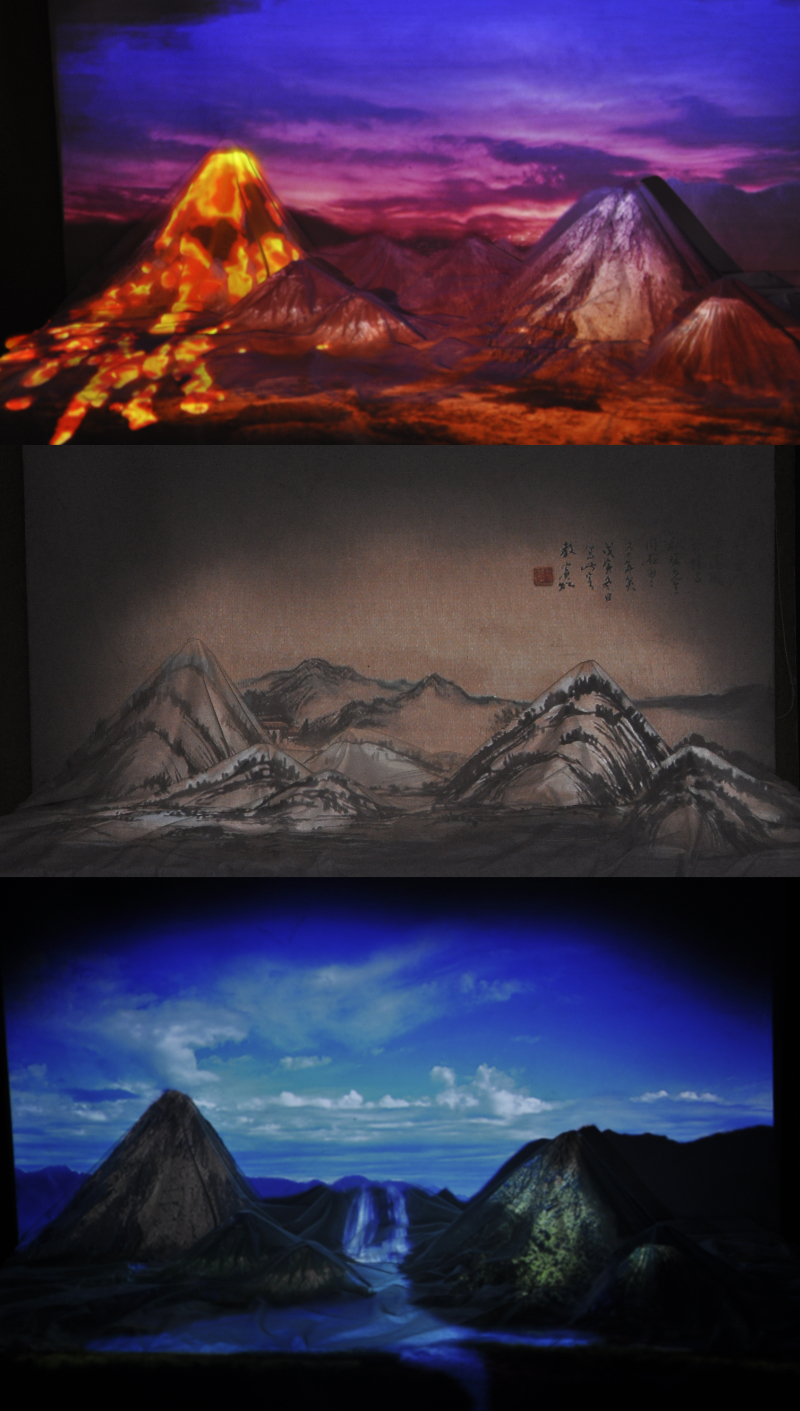
02 — Fabric Terrain Projection Using draped white fabric to build an improvised landscape, I designed and tested projected content responding to the terrain's folds and peaks, including a volcanic eruption sequence and ink-wash style mountain and river scenes. This tested how projected imagery could follow an organic, irregular surface rather than a flat or rigid one.
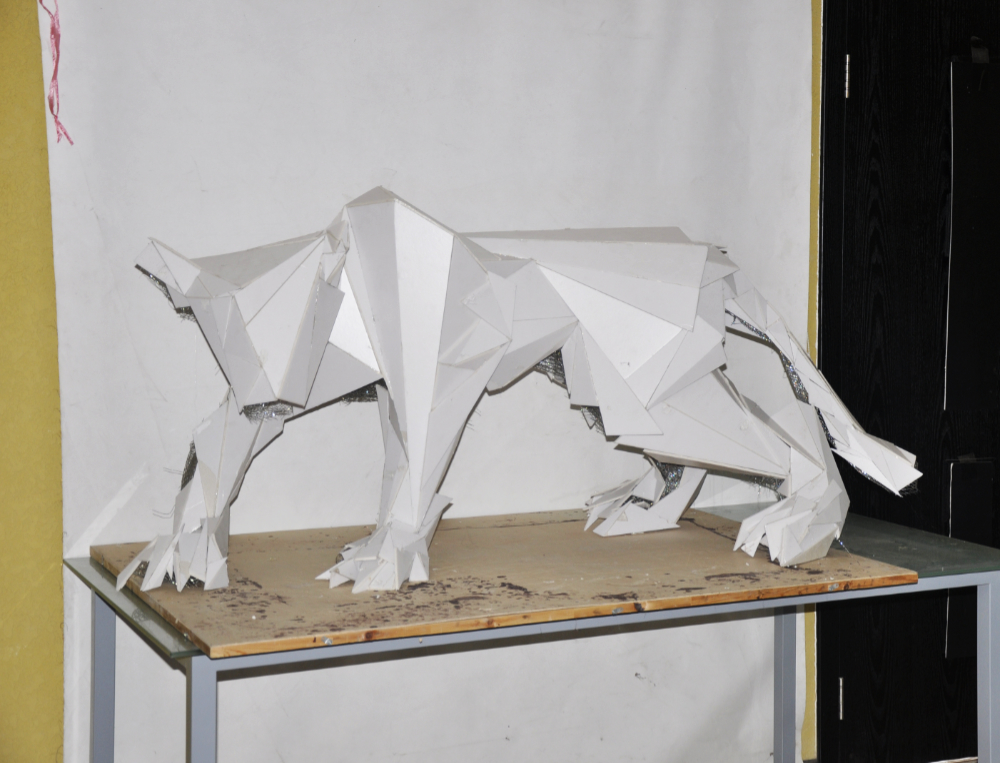
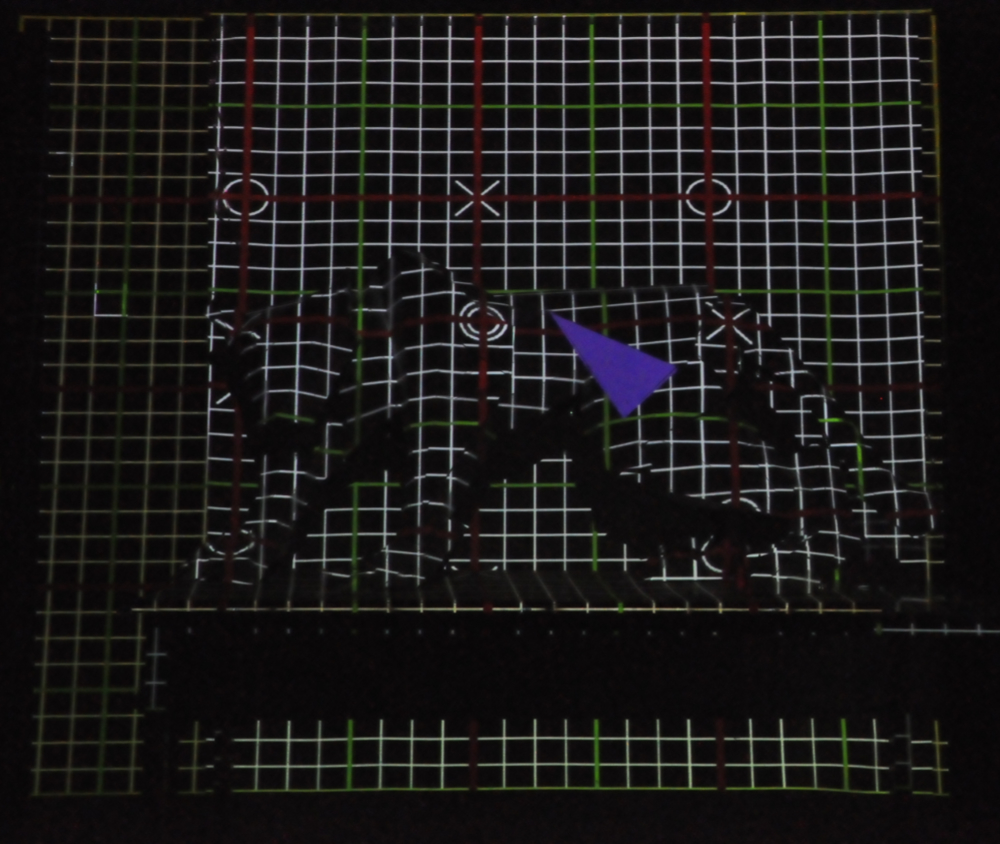
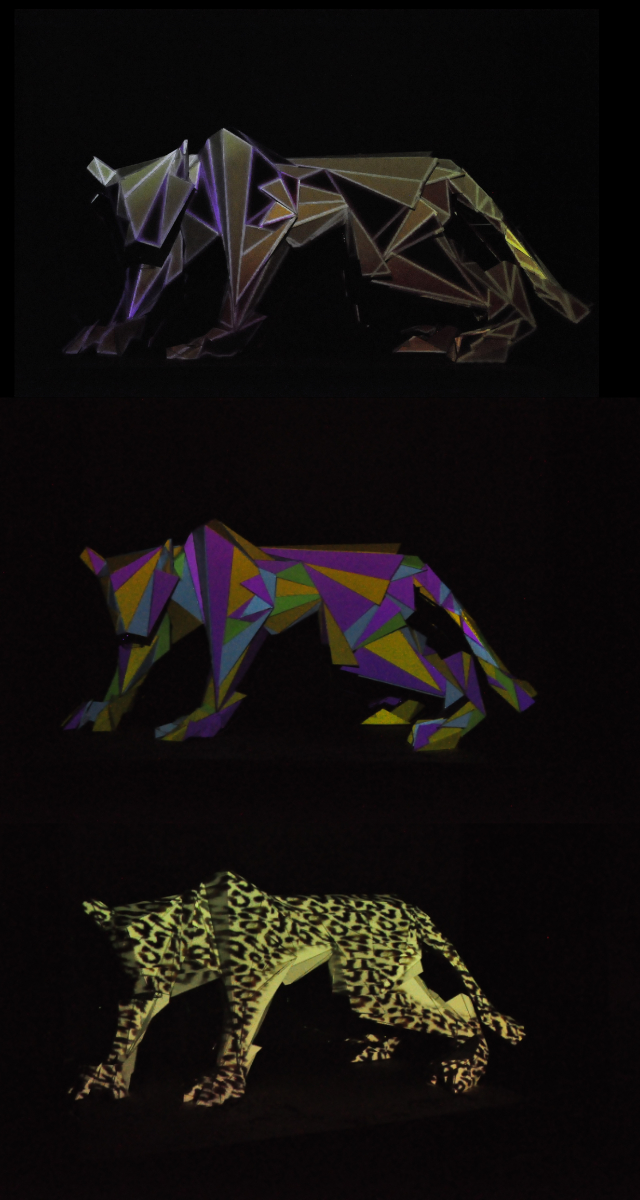
03 — Low-Poly Installation Projection Working with a wire-and-cardboard low-poly leopard structure, I mapped line content precisely onto each individual facet edge, testing accuracy across a fully three-dimensional, multi-angled form. Once alignment was confirmed, I designed animated colour fills and edge lighting across the structure, turning a static physical sculpture into a responsive lit object.
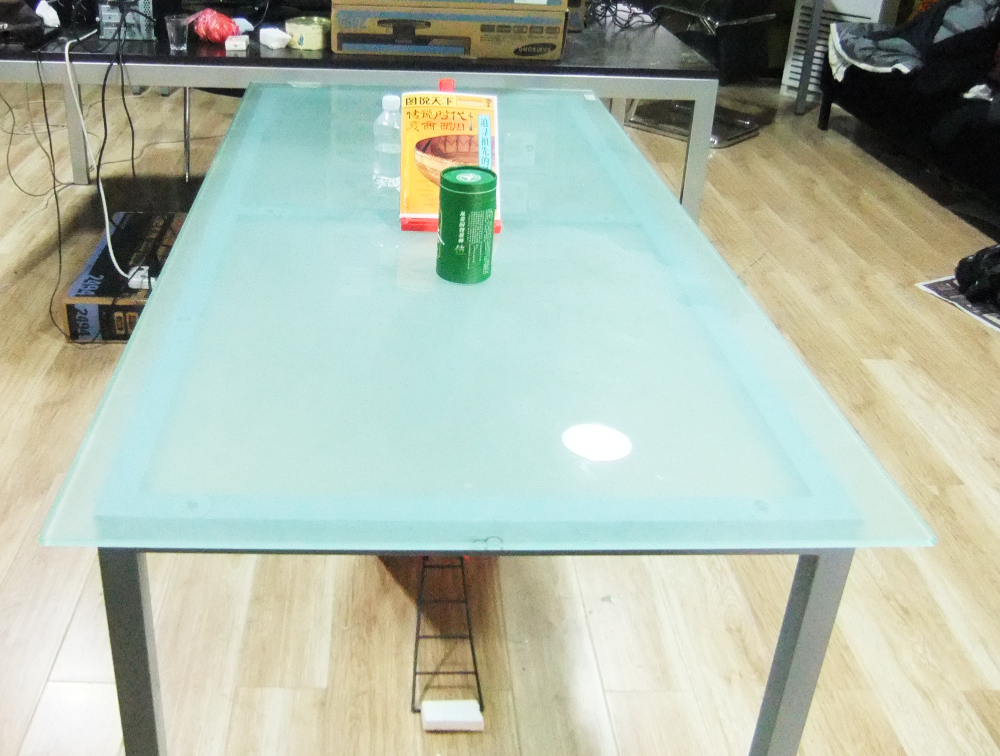
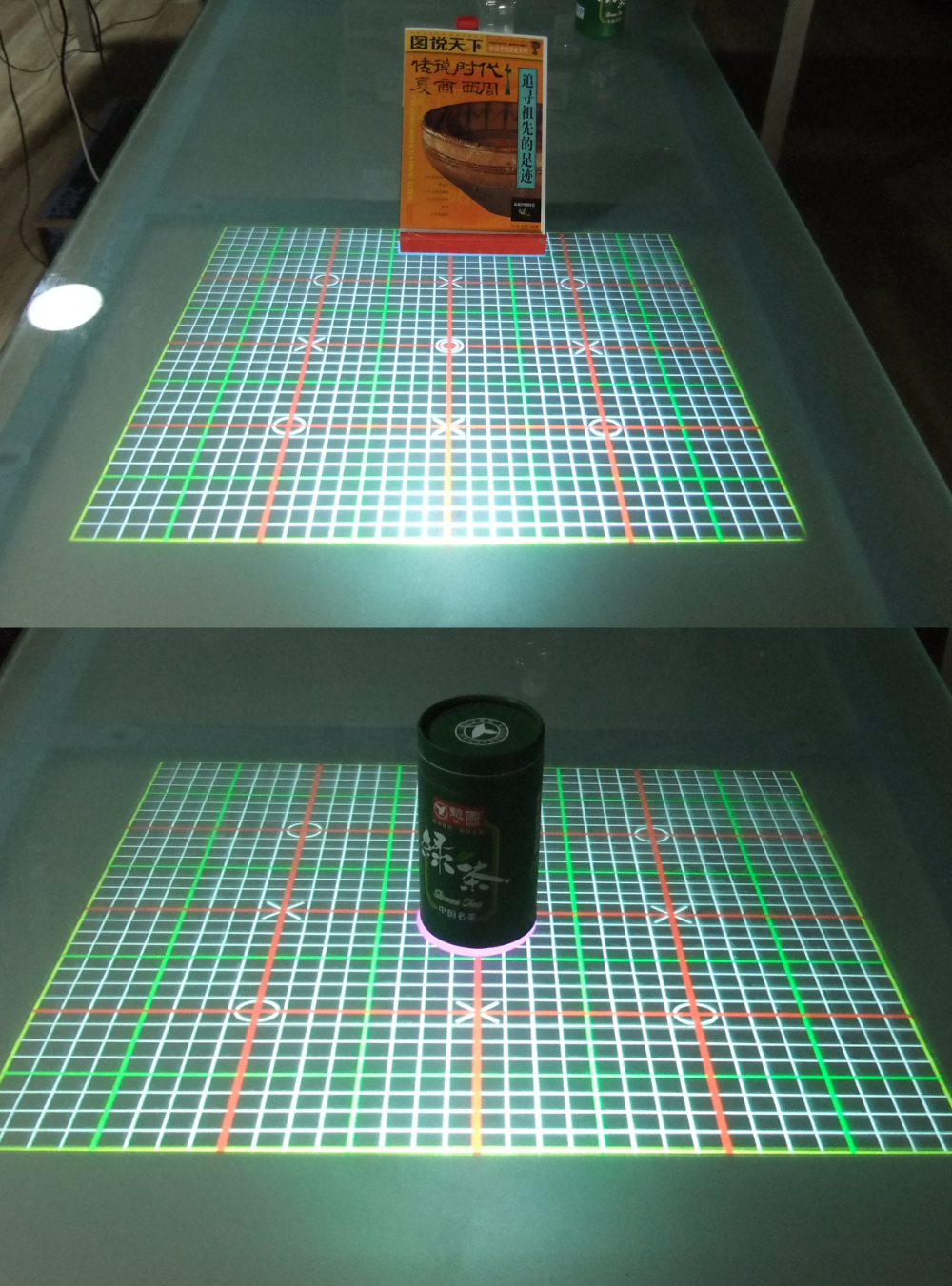
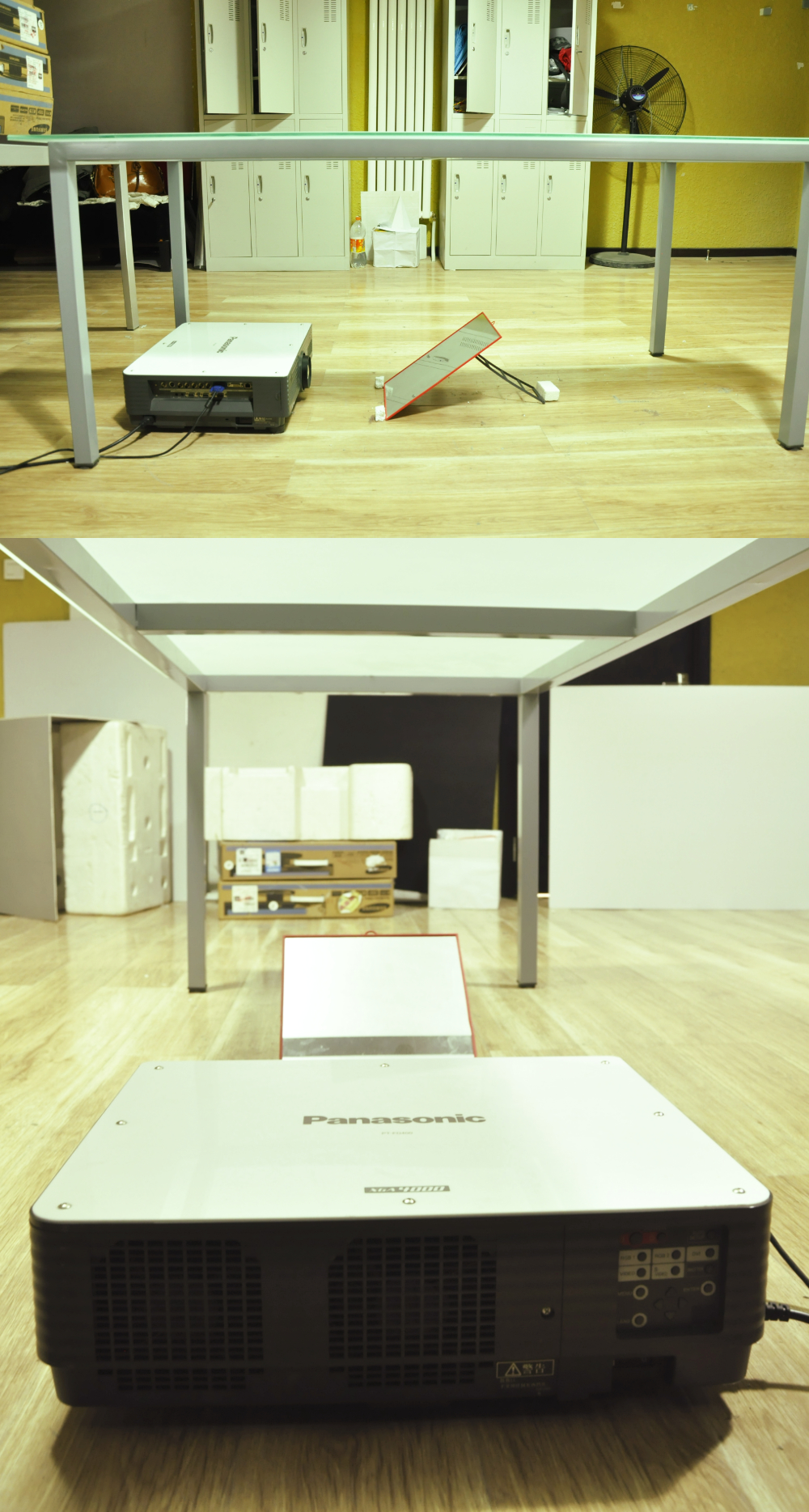
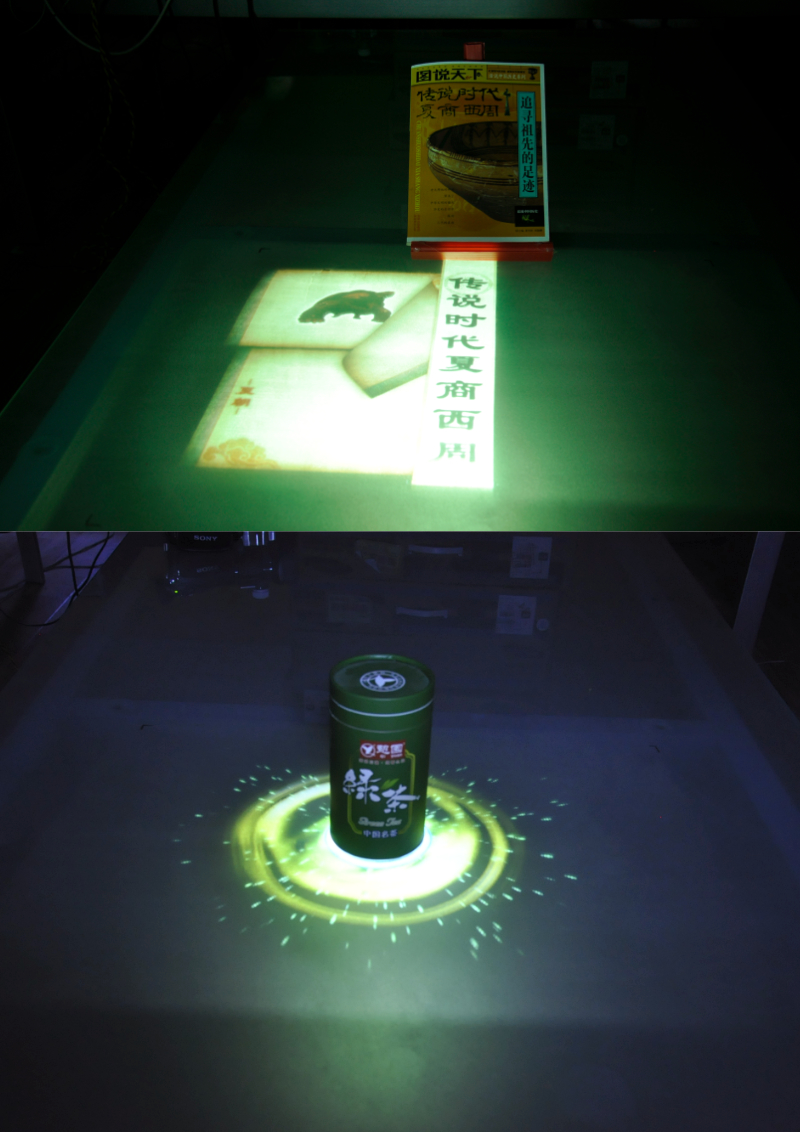
04 — Frosted Glass Rear Projection This test was developed for a museum exhibition brief, where artifacts would sit behind frosted glass with contextual content projected onto the glass from behind. Projecting directly onto the back of the glass caused overexposure and hotspotting, so I tested using a mirror to redirect the projection at an angle, which gave a clean, evenly lit image without blowing out the glass. I ran the test using both a cylindrical object and a book as placeholders for different artifact shapes, checking how the diffusion and readability of content changed across different object geometries behind the glass.
Outcome
The vehicle, terrain and installation tests were compiled into a formal experiment report, with distance, lux, viewing angle and surface measurements documented for each setup. My focus across all four experiments was content design and mapping accuracy: translating a concept into moving visuals suited to each surface, not the technical rigging or hardware setup of the projection systems themselves.
What this demonstrates
The core discipline was the same across all four surfaces: understanding how geometry, material and movement change what content needs to do, then testing that against the real object before committing to final output. That's a foundation that still applies directly to any large-format or non-traditional-surface projection work today, even as the tools, budgets and production values available for this kind of work have moved on considerably since 2010.
Work // Details
Category
motion
Date & Time
JUL 2010
Credits